Transforming TVET and Education
0 Titles
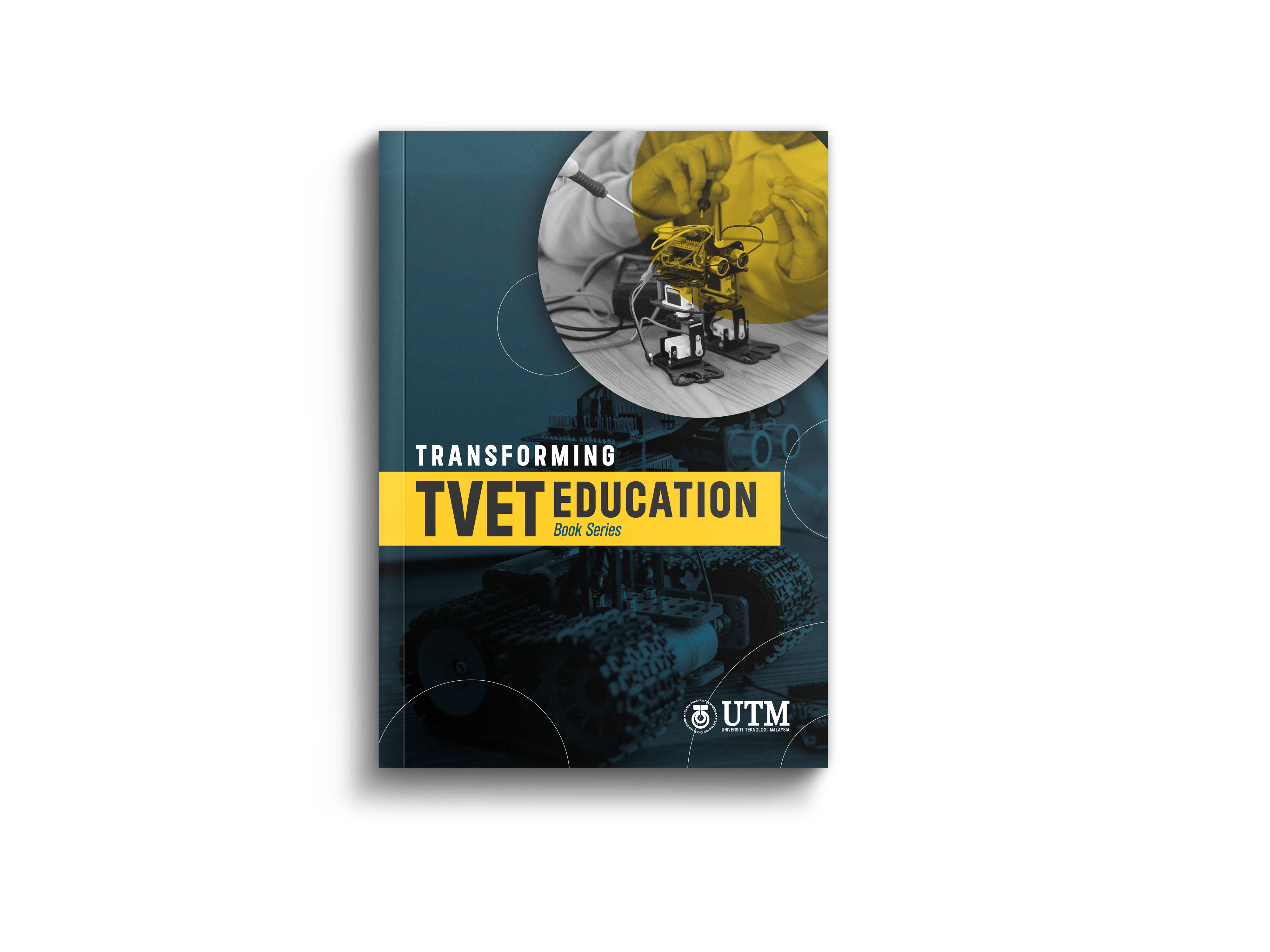
ABOUT THE BOOK SERIES
This book highlights the transformative journey of Technical and Vocational Education and Training (TVET) as a critical component of global education reform. It explores how TVET systems are being reshaped to address contemporary challenges such as digitalization, economic restructuring, and the changing nature of work. By integrating perspectives from education, industry, and policy, the series offers a multidimensional understanding of how vocational learning can drive innovation, social inclusion, and sustainable development.
In the face of rapid technological disruption, global workforce mobility, and widening skill gaps, the need to modernize education systems—particularly TVET—has never been more urgent. This series provides a timely and scholarly examination of how TVET is evolving across diverse contexts, with a focus on aligning educational outputs with current and future labor market needs. It serves as a platform for rethinking traditional approaches to vocational learning by highlighting evidence-based practices, policy frameworks, and institutional innovations from around the world.
KEY FUTURES
Presents latest issues in Technical and Vocational Education and Training (TVET), focusing on its evolution from traditional models to modern, industry-relevant systems. The series highlights critical policy strategies that have shaped national and global efforts to strengthen TVET, alongside the growing importance of public-private partnerships and industry collaboration in ensuring workforce alignment. It addresses current challenges and emerging opportunities in the advancement of vocational education, while promoting entrepreneurship as a vital component in creating new career pathways. The integration of technology and innovation is a core feature, showcasing how digital tools and emerging technologies are transforming teaching and learning in vocational settings. Emphasis is placed on the professional development of educators and trainers, recognizing their role as catalysts in shaping future-ready graduates. Additionally, the series explores the implications of the Fourth Industrial Revolution (IR 4.0), preparing readers to understand how automation, artificial intelligence, and digitalization redefining skill requirements and education delivery are. Together, these features provide a comprehensive, timely, and practice-oriented resource for stakeholders committed to transforming TVET systems for the future.
READERSHIP
Students, researchers in the field of education, workforce development, and vocational training will find this series particularly relevant for understanding the transformation of TVET systems in the context of digitalization, economic restructuring, and global skill demands. It is also essential reading for policymakers involved in education reform, institutional leaders seeking to align curriculum with labor market needs, and practitioners aiming to enhance pedagogical practice within technical and vocational institutions. The series is equally suited for postgraduate and doctoral candidates exploring topics such as curriculum innovation, teacher professional development, education-industry linkages, and the socio-economic role of TVET. International development agencies and NGOs working on skills development and inclusive education will benefit from its applied insights and policy implications.
FIELD/SUBJECT/SCOPE
This book series sits at the intersection of multiple academic and professional domains, including Technical and Vocational Education and Training (TVET), educational policy and governance, curriculum and instructional design, teacher education, innovation in pedagogy, and workforce development. It also draws upon disciplines such as digital education, economics of education, labor studies, entrepreneurship education, and public-private partnerships in education. The scope encompasses both theoretical exploration and practice-oriented case studies, making it a vital contribution to fields focused on skills formation, lifelong learning, educational reform, and the future of work. By addressing global trends and system-level challenges, the series supports both micro-level (classroom and institutional) and macro-level (policy and national strategy) discourse.
EDITORS:
 Assoc. Prof. Ts. Dr. Dayana Farzeeha Ali is a distinguished scholar and educator in the field of Technical and Vocational Education and Training (TVET), with additional expertise in visualization skills development and inclusive education for learners with special needs. With over a decade of experience in higher education and research, she has led numerous national and industry-funded projects focused on digital innovation in pedagogy, including the integration of augmented reality in learning environments. She is widely recognized for her contributions to TVET innovation, having received multiple national and international awards in education technology, instructional design, and educational excellence. Dr. Dayana’s work bridges the gap between policy, pedagogy, and practice, with strong collaborations across government agencies, industry partners, and educational institutions.
 Ts. Dr. Nur Hazirah Noh@Seth is a dynamic and accomplished scholar in the field of Technical and Vocation Education and Training (TVET) as well as in Engineering Education, renowned for her contributions to research and innovation in welding technology, non-destructive testing (NDT), and immersive learning environments. As a Senior Lecturer at Universiti Teknologi Malaysia (UTM), she integrates cutting-edge technologies such as virtual reality (VR) and augmented reality (AR) into TVET pedagogy to enhance student engagement and mastery of practical skills. Dr. Nur Hazirah is a registered Professional Technologist (Ts.) under Malaysian Board of Technologist (MBOT) which brings industry-relevant expertise into the academic sphere, particularly in welding technology. Her technical competencies are strongly aligned with the demands of Malaysia’s TVET ecosystem, making her a sought-after technical advisor for vocational colleges across the country. In this role, she contributes to curriculum development, competency-based training frameworks, and the integration of digital tools such as virtual and augmented reality (VR/AR) into skills training. She’s and an active researcher with a strong publication record in reputable journals. Her commitment to academic excellence, impactful research, and innovative teaching approaches positions her as a leading figure in advancing technical education in Malaysia and beyond.
 Dr. Marlissa Omar is a dedicated scholar in the field of Technical and Vocational Education and Training (TVET), with a strong focus on educational technology, curriculum innovation, and industry-academia collaboration. Currently serving as a Senior Lecturer at Universiti Kebangsaan Malaysia (UKM) under the Faculty of Education, she is also actively involved with the STEM Enculturation Research Centre, where she contributes to the advancement of STEM education through immersive and inclusive teaching approaches. With academic credentials that include a Ph.D., M.Phil., and a Bachelor’s Degree in Education with Technology from Universiti Teknologi Malaysia (UTM), Dr. Marlissa has led and contributed to numerous research projects that span digital skills development, 3D printing integration in teaching, and inclusive career readiness models for persons with disabilities. Her scholarly excellence is evident through an impressive portfolio of publications in Scopus- and ERA-indexed journals, particularly in areas such as augmented reality in engineering education, AI-enhanced language learning, and future skills development for TVET graduates. Her expertise extends into postgraduate education management and supervision, where she has guided multiple Ph.D. candidates to completion. Dr. Marlissa commit herself to transform education through research, innovation, and collaboration in Malaysia’s evolving educational landscape.
All Books
##catalog.noTitlesSection##